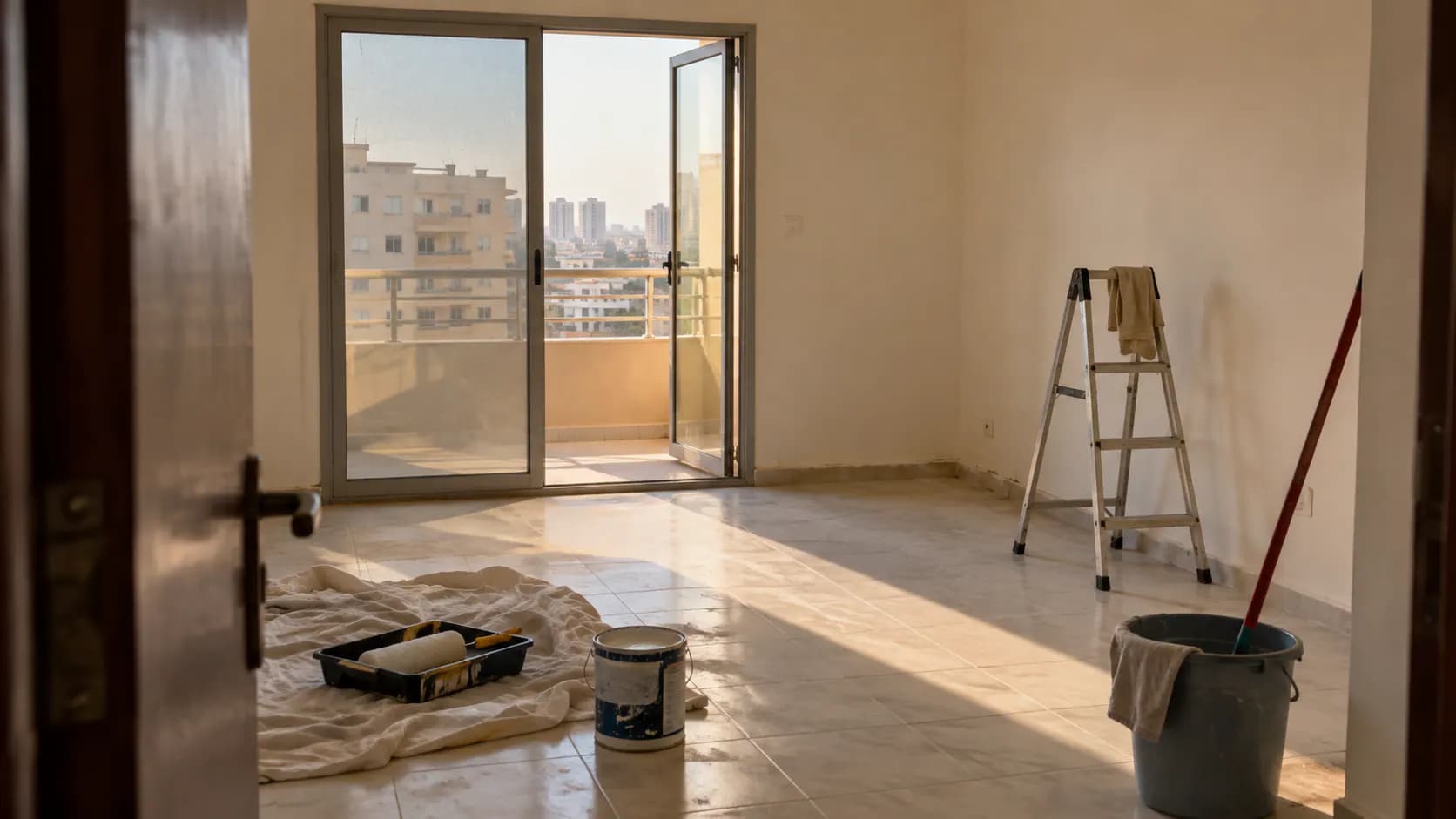
Rental property vacancy is not only the period when a unit is empty. It is the combined result of renewal timing, pricing, maintenance, presentation, enquiry handling, viewing access, applicant follow-up, and contract preparation. For a Sharjah owner, improving these connected steps can protect more annual income than reacting with a late rent reduction after demand has already slowed.
Measure the complete cost of vacancy
An empty unit loses more than one month of rent. The owner may also carry cleaning, utilities, access coordination, advertising, minor repairs, and the management time required to restart the tenancy. A longer vacancy can also create pressure to accept a weaker applicant or make an unplanned pricing decision.
Use effective annual income rather than the advertised monthly rent when comparing options. For example, a higher asking rent that creates several additional vacant weeks may produce less annual income than a realistic rent agreed sooner. The useful question is not simply ‘What rent can we advertise?’ but ‘Which rent and readiness plan is most likely to produce a suitable tenancy within the owner’s preferred timeframe?’
- Record the vacancy start date and every avoidable delay
- Track direct preparation and marketing costs
- Compare expected annual income under different rent and vacancy scenarios
Begin renewal planning before the unit becomes vacant
The vacancy process should begin while the current tenancy is still active. Confirm the tenant’s intention early enough to review unresolved service issues, discuss the commercial position, and prepare either a renewal path or an orderly move-out plan. The exact notice and contractual requirements must follow the tenancy documents and applicable rules; the operational objective is to avoid discovering the tenant’s position at the last moment.
If the tenant plans to leave, prepare a dated sequence for inspection, key handover, final condition recording, approved repairs, cleaning, photography, listing, viewings, applicant review, and contract completion. Assign one responsible person to every step. A unit often remains vacant because ownership of the next action is unclear, not because there is no market interest.
- Confirm renewal or move-out status
- List maintenance items that may affect renewal or reletting
- Agree approval limits so routine preparation is not delayed
- Prepare access and marketing information before handover
Set the asking rent from comparable evidence
A reliable comparison uses properties that a prospective tenant would genuinely consider as alternatives. Compare the same area, property type, approximate size, condition, parking or facilities, payment structure, and date of availability. Broad averages can conceal important differences and should not replace a unit-level review.
Document the recommended asking rent, the evidence behind it, the review date, and the action to take if enquiry quality is weak. This prevents repeated decisions based only on opinion. A planned review after a defined period is more controlled than leaving an ineffective price unchanged or reducing it immediately after one quiet week.
- Compare like-for-like available units
- Separate advertised prices from confirmed transaction evidence where possible
- Consider condition and readiness, not only size and location
- Set a date for reviewing enquiries, viewings, and feedback
Make the property ready for the first serious viewing
Marketing should not start with a unit that cannot be shown properly. Complete essential repairs, cleaning, safety checks, access arrangements, and accurate unit information before directing prospects to it. Natural, current photographs should reflect the actual space. The listing should state the property type, key features, location context, availability, and the correct contact route without exaggeration.
Create a simple readiness checklist covering doors and locks, lighting, water flow, visible leaks, cooling, major appliances where included, walls, floors, windows, sanitary fittings, and removal of previous-tenant belongings. The checklist gives the owner evidence of what was completed and reduces repeated visits for issues that could have been identified together.
Respond quickly and manage viewings as a process
A prospect comparing several Sharjah properties may choose the unit that is easiest to understand and view. Record every enquiry, response time, qualification outcome, viewing appointment, attendance result, and feedback. Provide clear directions and confirm access before the appointment. After the viewing, follow up while the details are still current for the prospect.
Speed does not mean accepting incomplete information. Use a consistent applicant process and request the documents and approvals required for the tenancy. The objective is a suitable, properly documented tenant—not occupancy at any cost.
- Acknowledge enquiries promptly
- Ask consistent qualifying questions
- Offer realistic viewing times and confirm attendance
- Record the reason when a prospect does not proceed
- Keep applicant documents and decisions connected to the unit record
Use the leasing funnel to find the real bottleneck
An owner should be able to see enquiries, qualified prospects, scheduled viewings, completed viewings, applications, approvals, and contract progress. Each stage answers a different question. Few enquiries may indicate pricing, listing, or demand issues. Enquiries without viewings may indicate slow responses or difficult access. Viewings without applications may point to condition, value, presentation, or an inaccurate listing.
Review the funnel at an agreed frequency and change the step that is underperforming. Do not assume every vacancy is solved by lowering the rent. Sometimes the correct response is faster access, a completed repair, better information, or clearer follow-up.
A practical owner vacancy dashboard
A concise weekly update should help the owner make decisions without reading every message. It should show what changed, what is blocking progress, and which action requires approval.
- Days vacant and days actively marketed
- Current asking rent and last evidence review
- Readiness status and open work
- Enquiries, viewings, applications, and prospect feedback
- Actions completed during the week
- Owner decisions required with a recommended deadline
Reducing rental vacancy in Sharjah requires a controlled sequence, not one isolated tactic. Early renewal work, evidence-based pricing, documented unit readiness, responsive leasing, suitable applicant review, and a visible funnel allow the owner to act before lost days accumulate. Burgan Commercial Center applies these disciplines as one connected operating process for Sharjah property owners.
Discuss your property with usThis article provides general operational information and is not legal, financial, or investment advice.